Introduction
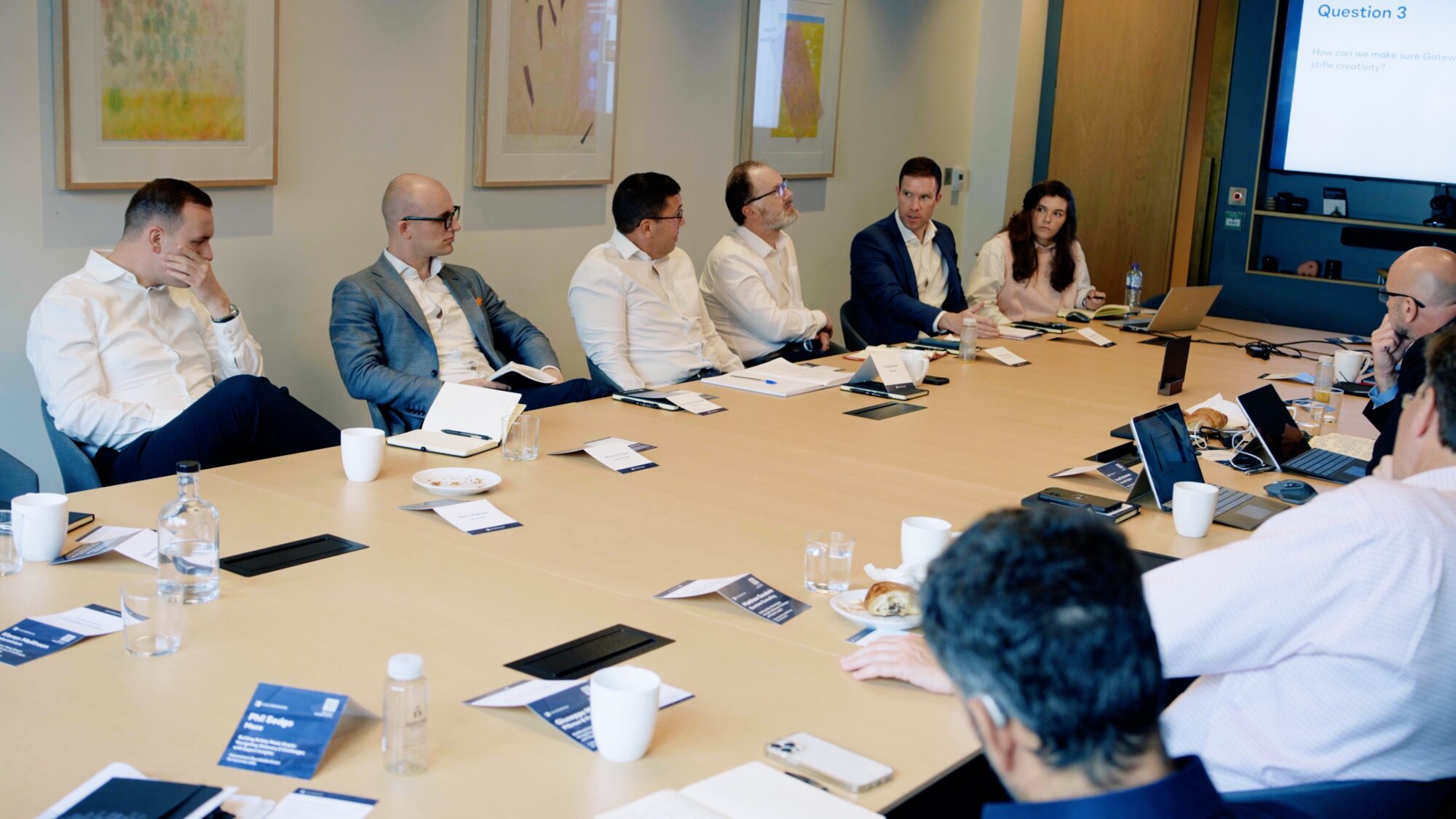
On the morning of September 9th, industry leaders gathered at Storey Club, 100 Liverpool Street, for a roundtable that tackled one of the most pressing challenges in UK construction: navigating Gateway 2 under the Building Safety Act. With the BSR undergoing structural changes and the industry grappling with cultural and procedural shifts, the event fostered open dialogue around design leadership, regulatory compliance, and strategic planning.
With a buffet breakfast setting the tone for open conversation, the event brought together voices from across the industry, including developers, architects, consultants, and representatives from the Building Safety Regulator (BSR).
Key themes included:
- The importance of early engagement with regulators
- Clear and consistent documentation
- Collaborative approaches to design and construction


Setting the Scene: Why Gateway 2 Matters
Gateway 2 marks a critical checkpoint in the lifecycle of higher-risk buildings. It requires developers to demonstrate that their designs meet safety standards before construction begins. Yet, despite its importance, many in the industry still struggle with fragmented design ownership, unclear compliance pathways, and inconsistent regulatory engagement.
This roundtable was convened to address those challenges head-on. It offered a space for candid discussion, collaborative problem-solving, and the exchange of ideas grounded in real-world experience.
Keynote Address: Tim Galloway
Tim Galloway opened the session with a candid overview of the BSR’s evolution, referencing the shift from HSE to an independent ALB. He outlined the formation of three dedicated building control teams—New Build, Remediation, and Refurbishment—and highlighted the Innovation Unit’s pilot of new Multi-Disciplinary Team (MDT) models.
One of the most striking statistics shared was the volume of building control decisions: 210 in July alone. This surge reflects both increased regulatory activity and the growing complexity of compliance. Galloway emphasized the importance of clear documentation and early engagement, noting that “compliance isn’t just about ticking boxes—it’s about demonstrating intent and capability.”
Roundtable Highlights: Themes and Tensions
As the discussion unfolded, several key themes emerged:
1. Design Leadership and Ownership
Participants voiced concerns about fragmented design responsibility. Who leads the design? Who signs off on safety-critical decisions? The lack of clarity is creating confusion and delays. There was a strong call for regulatory guidance that clearly defines roles and responsibilities across the project lifecycle.
2. Compliance and Demonstration
Evidence-based compliance was a recurring topic. Attendees shared strategies for simplifying documentation, improving traceability, and making it easier for regulators to review submissions. The consensus: compliance must be embedded in design thinking from the outset, not retrofitted at the point of approval.
3. Process and Strategy
Gateway 2 is not just a technical hurdle—it’s a strategic challenge. Budget overruns, misaligned timelines, and reactive planning are common pitfalls. The roundtable highlighted the need for integrated project strategies that align design, safety, and delivery from day one.
4. Industry Engagement and Culture
Cultural change was a major theme. The industry must move away from siloed thinking and toward collaborative, transparent engagement. This includes better communication between clients and teams, more inclusive design processes, and a shared commitment to safety outcomes.

Challenges Identified
Participants highlighted several systemic issues:
- Fragmented design ownership
- Absence of standardised solutions
- Misalignment between clients and project teams
- Resource constraints across the sector
- Uncertainty around Gateway 2 and 3 processes
- Funding and insurance market limitations
Proposed Solutions & Ideas
- In response, participants proposed a range of practical solutions:
- Industry Forums: Regular cross-sector forums to share knowledge and align practices
- Compliance Frameworks: Clearer, standardised frameworks for demonstrating safety compliance
- Design Standardisation: Templates and toolkits for common design elements to reduce ambiguity
- Applicant Engagement: Better support and guidance for those submitting to the BSR
- Contractual Evolution: Updating PCSAs and Terms of Appointment to reflect safety responsibilities

Conclusion & Recommendations
The roundtable laid a strong foundation for ongoing dialogue and strategic development. It demonstrated that while Gateway 2 presents real challenges, it also offers a chance to rethink how the industry collaborates, designs, and delivers.
Key recommendations include:
- Fostering Collaboration: Break down silos and encourage cross-disciplinary engagement
- Clarifying Roles: Define leadership and accountability across the design process
- Aligning Models: Ensure funding and insurance frameworks support safety outcomes
As the BSA continues to evolve, events like this will be critical in shaping a safer, more resilient built environment. Colorminium looks forward to hosting future sessions that build on this momentum and drive meaningful change across the sector.
Click here to watch what some of the attendees had to say.