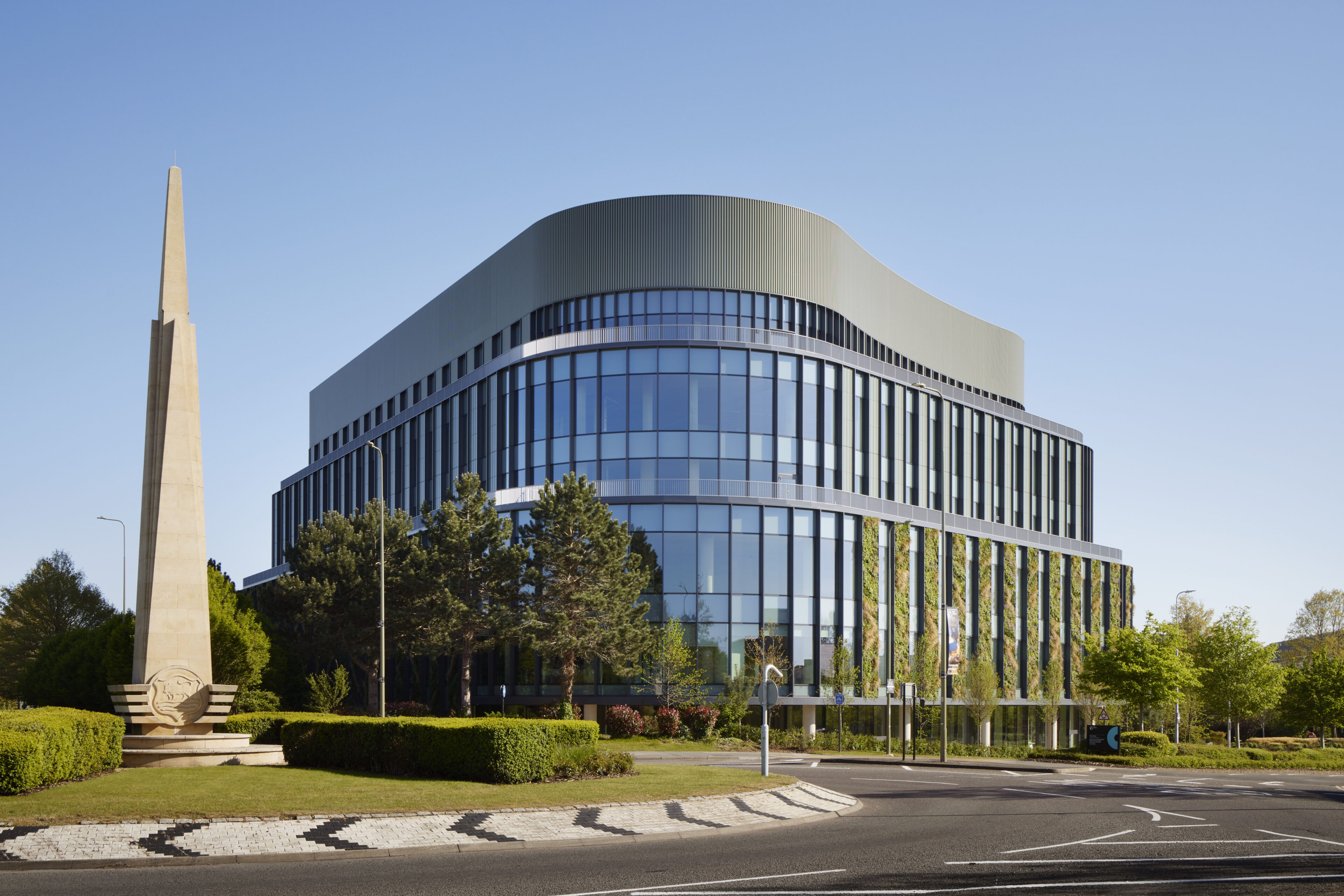
Vitrum

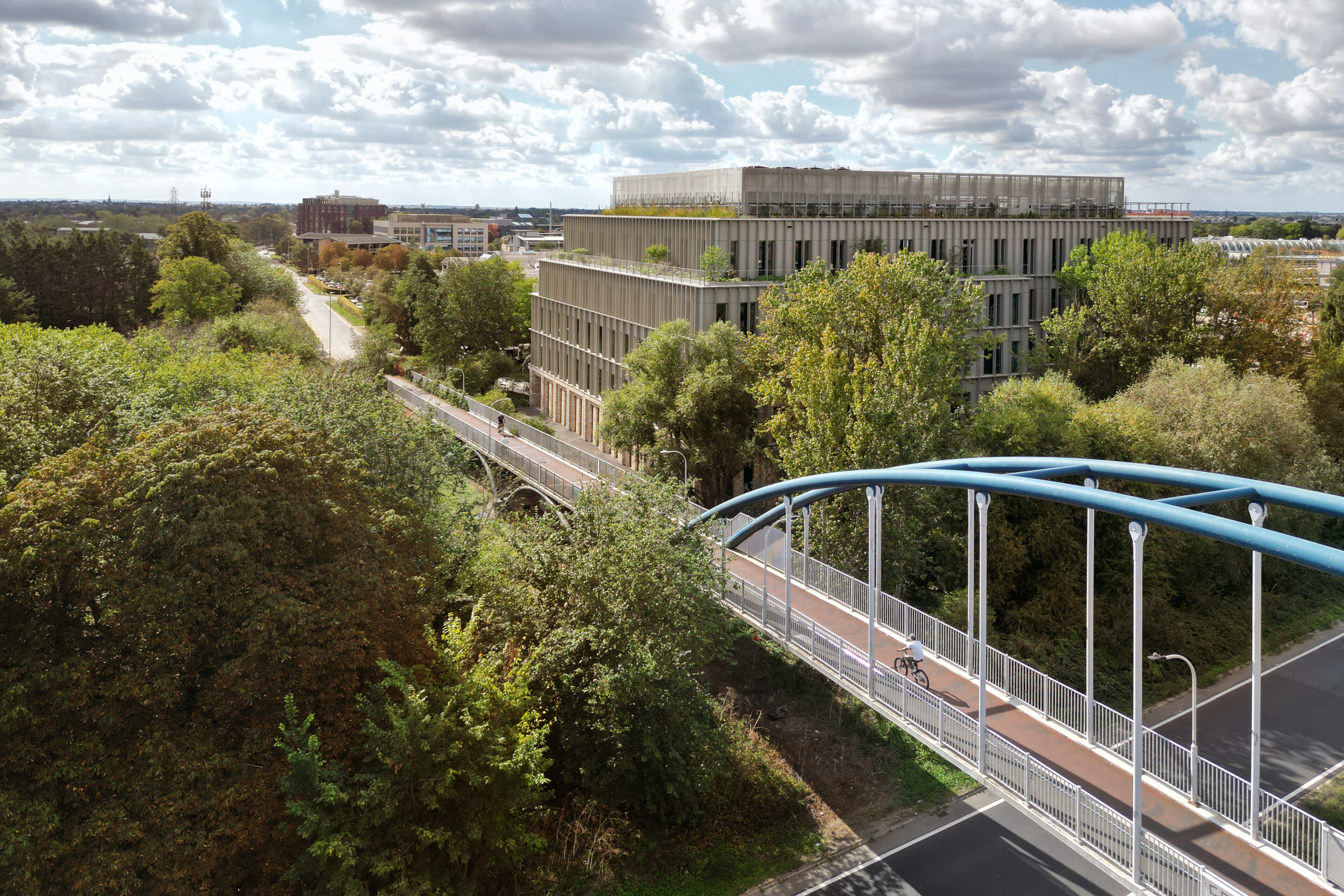
Located within Cambridge’s renowned St John’s Innovation Park, this advanced life sciences development provides over 165,000 sq ft of flexible laboratory, office and amenity space. Designed to support the evolving needs of the life sciences sector, the building combines high-performance research environments with ambitious sustainability objectives.
Developed as part of the North Cambridge innovation cluster, the project creates a highly flexible and future-focused environment for scientific discovery, collaboration and growth.
Breakthrough Properties
Architect
Henning Larsen/ Feilden & Mawson
Contractor
McLaughlin & Harvey
Quantity Surveyor
Exigere
Project Manager
Third London Wall
Colorminium was appointed to provide single-point design and delivery responsibility for the building envelope package. This included structural coordination and engineering across multiple building physics disciplines, encompassing thermal performance, acoustics and fire safety.
Working alongside Breakthrough Properties and the wider design team, we developed a façade solution that balances architectural quality, performance and sustainability. The building envelope was designed to support the project’s environmental ambitions while contributing towards its BREEAM Outstanding target.
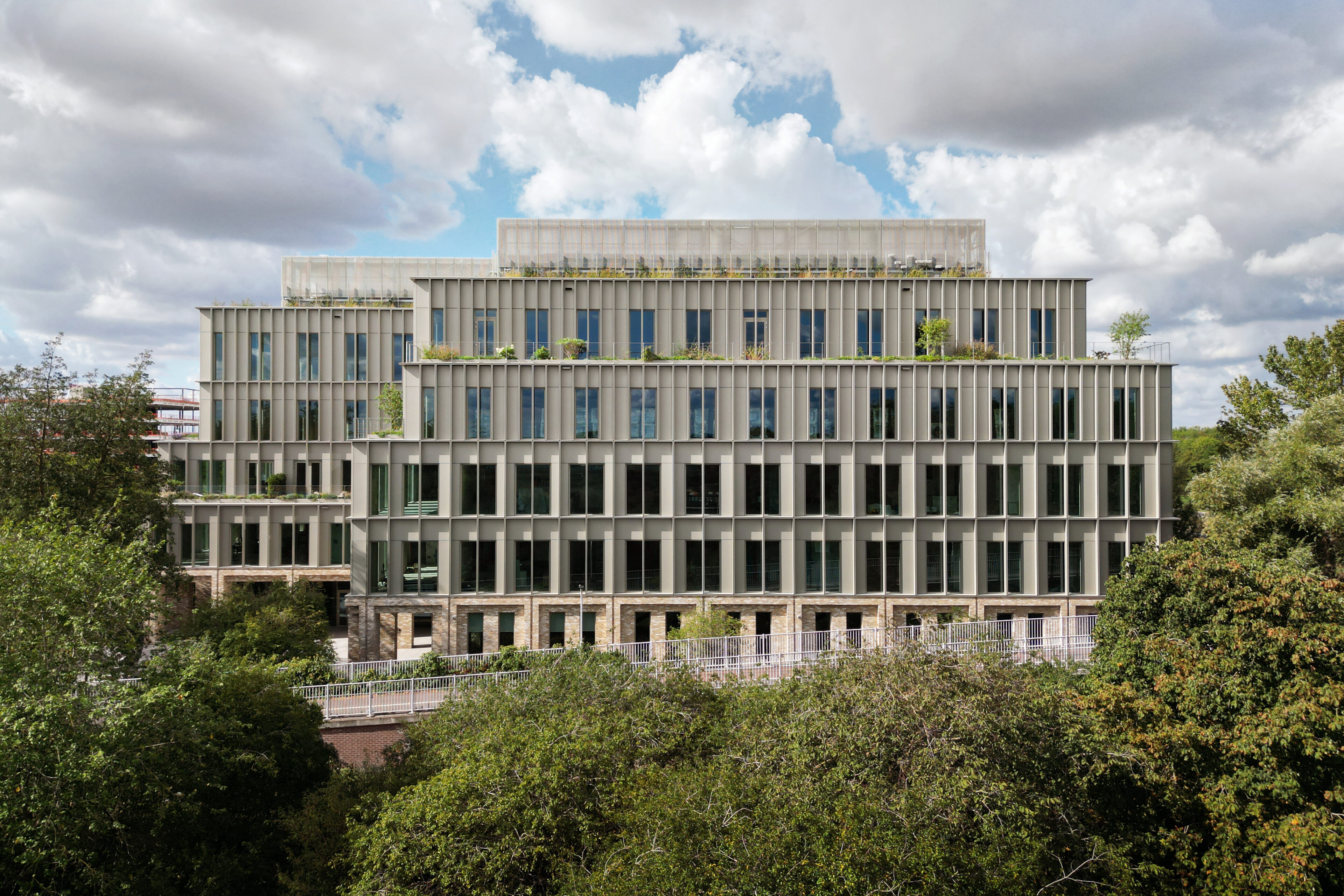
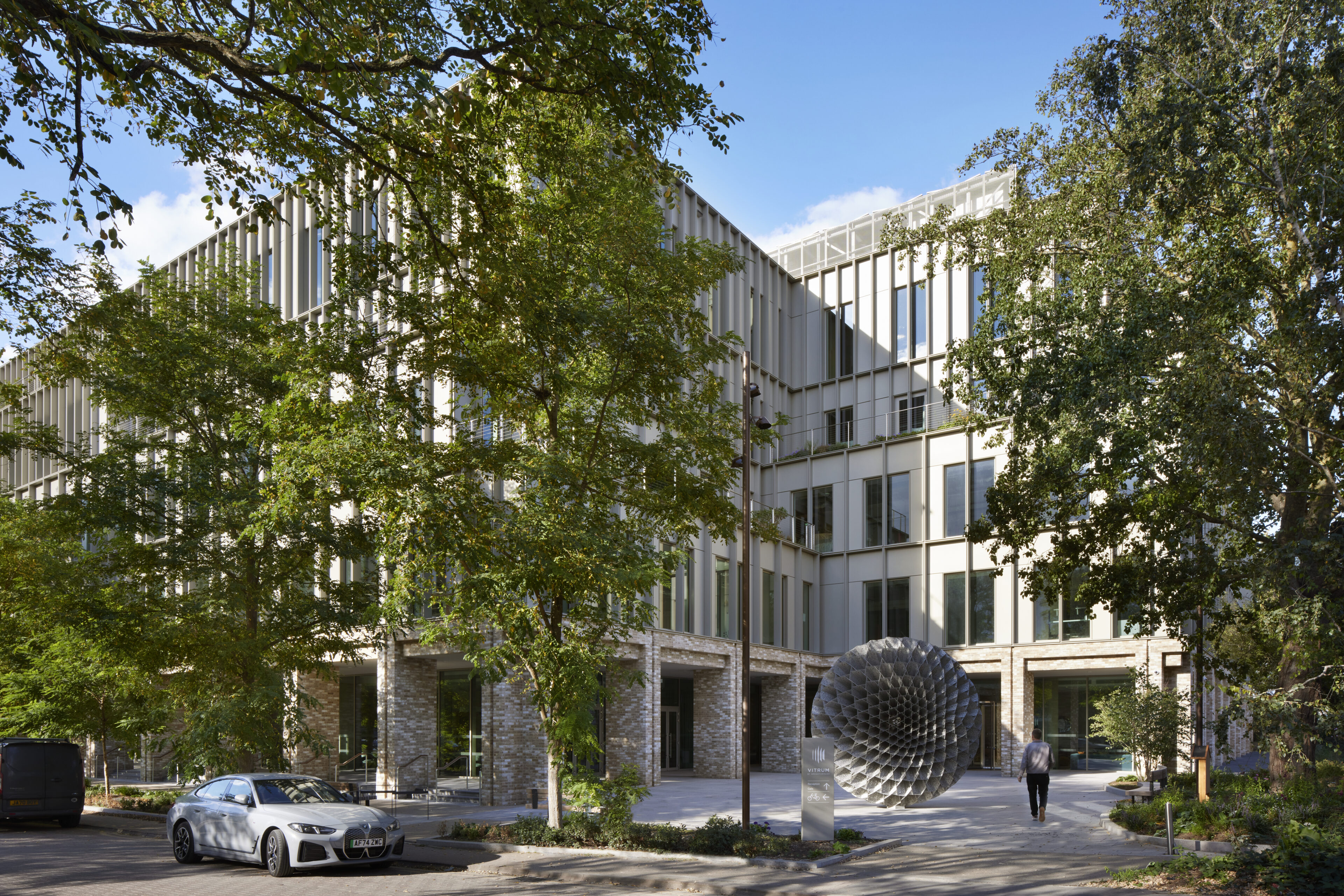
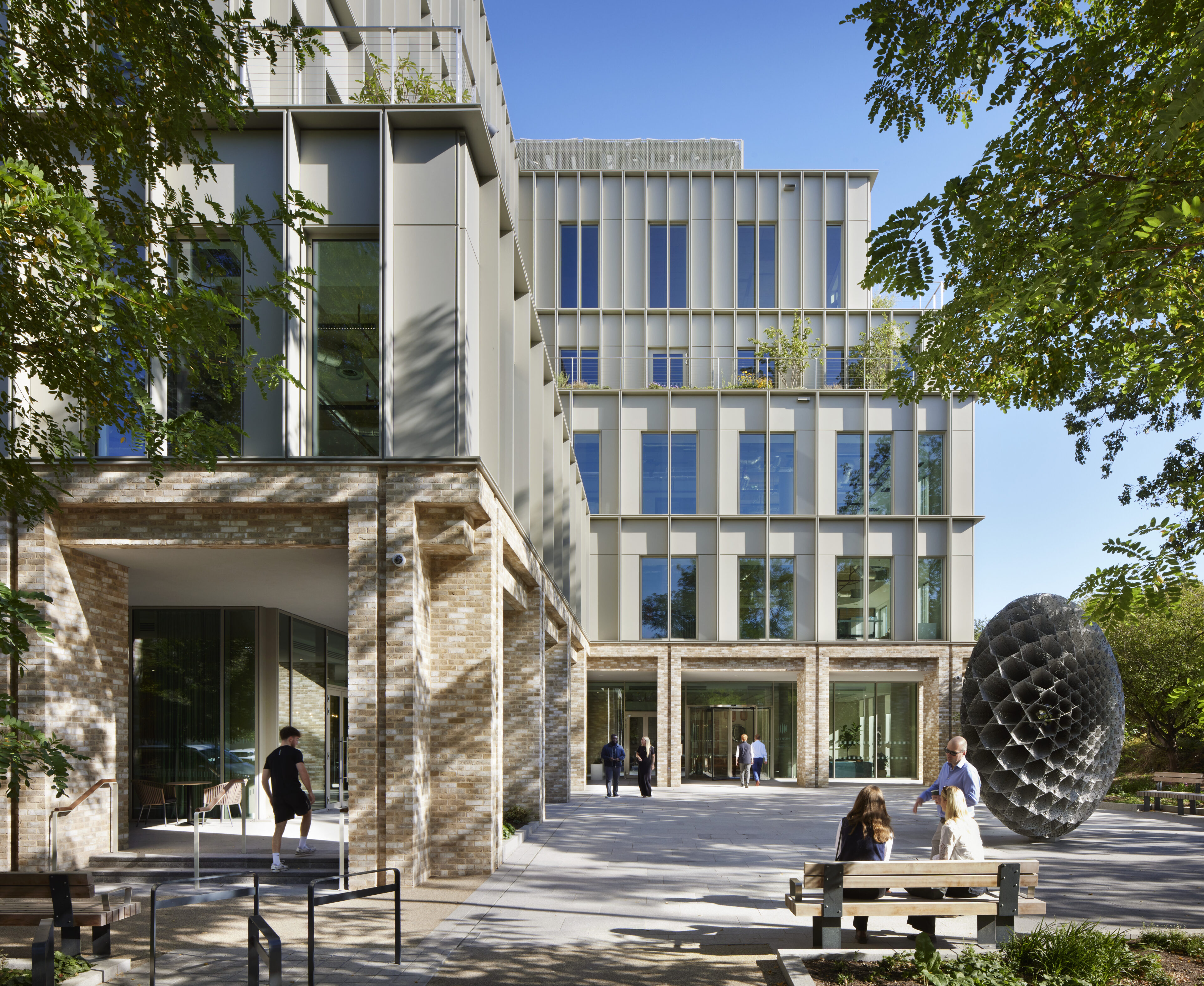
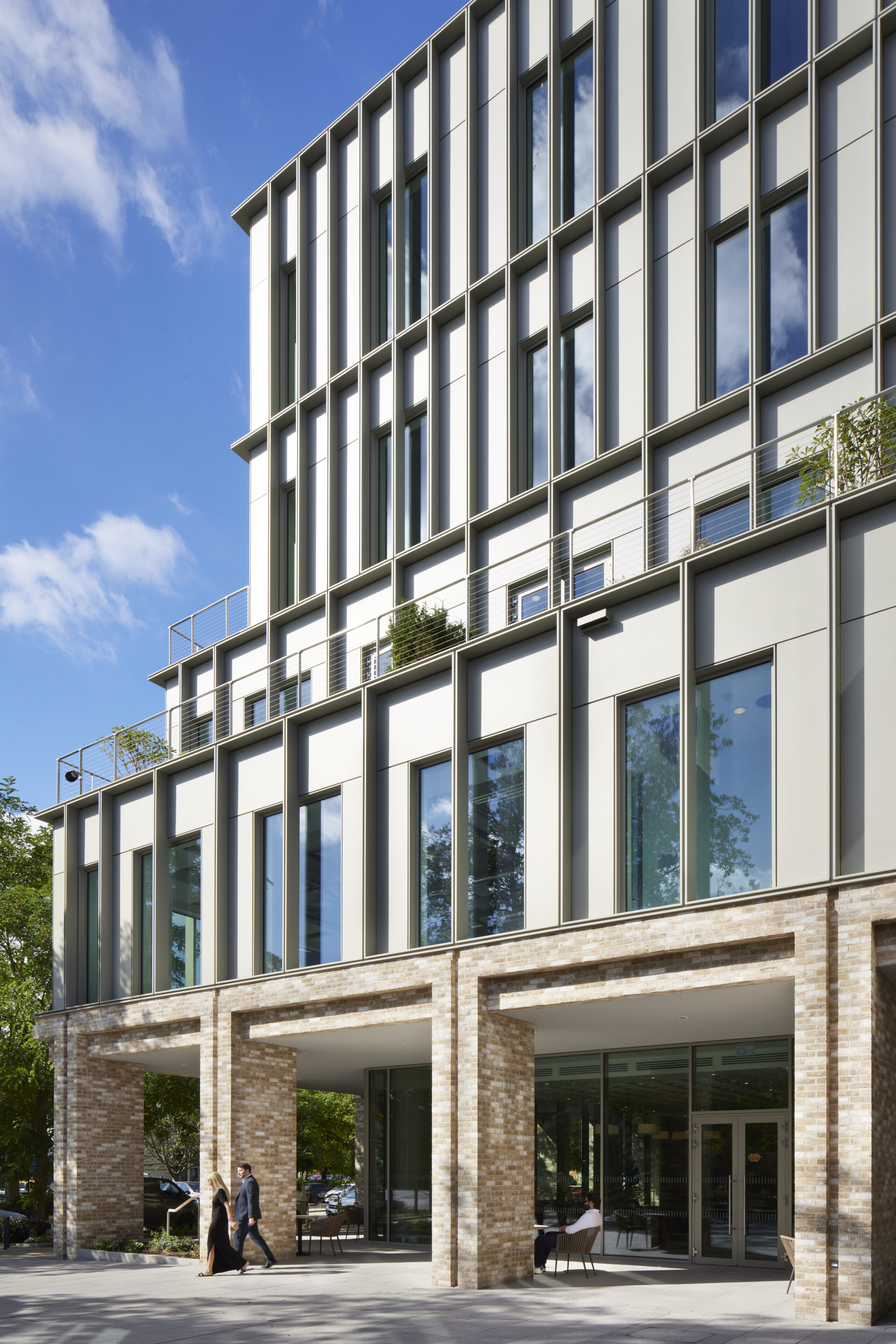
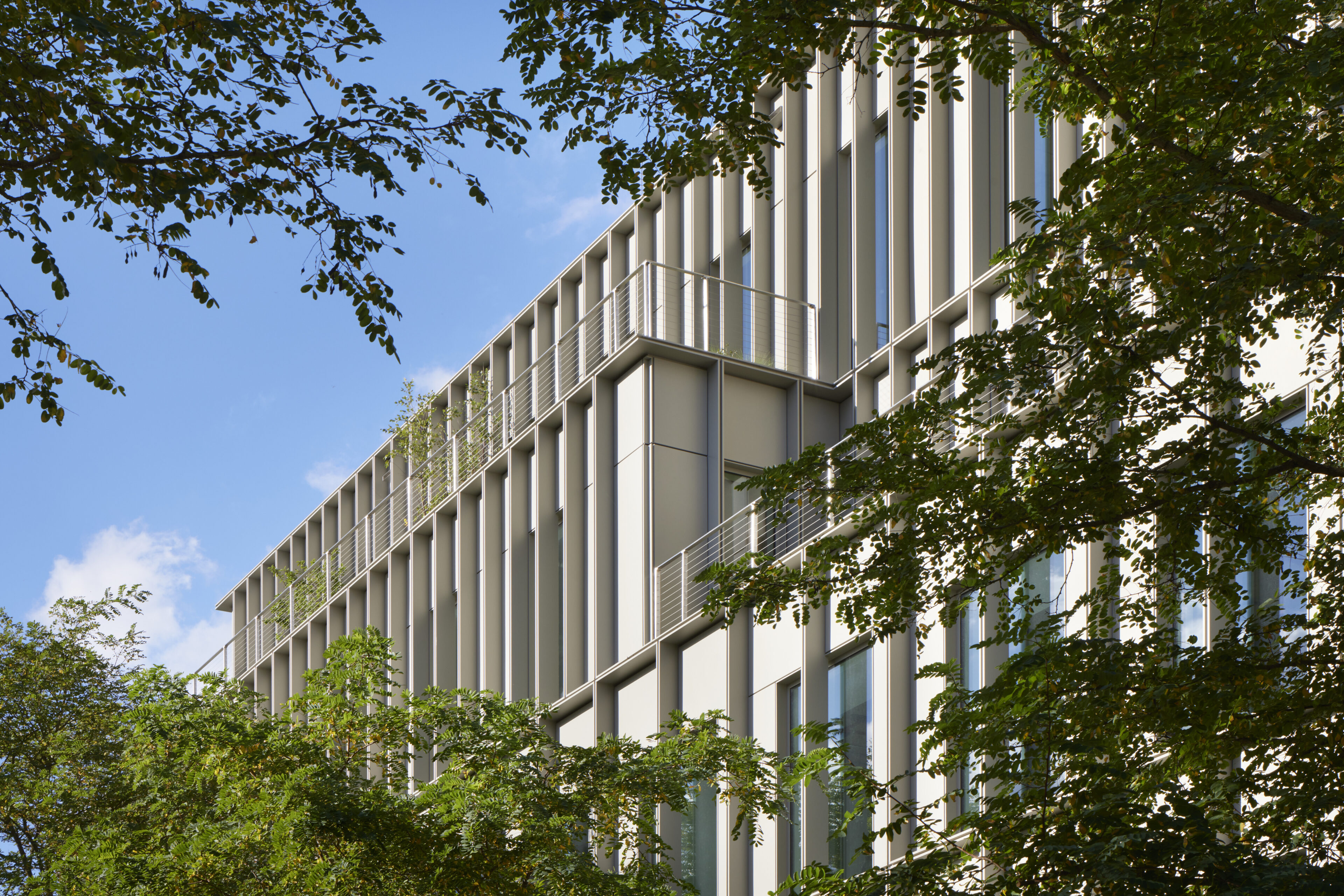
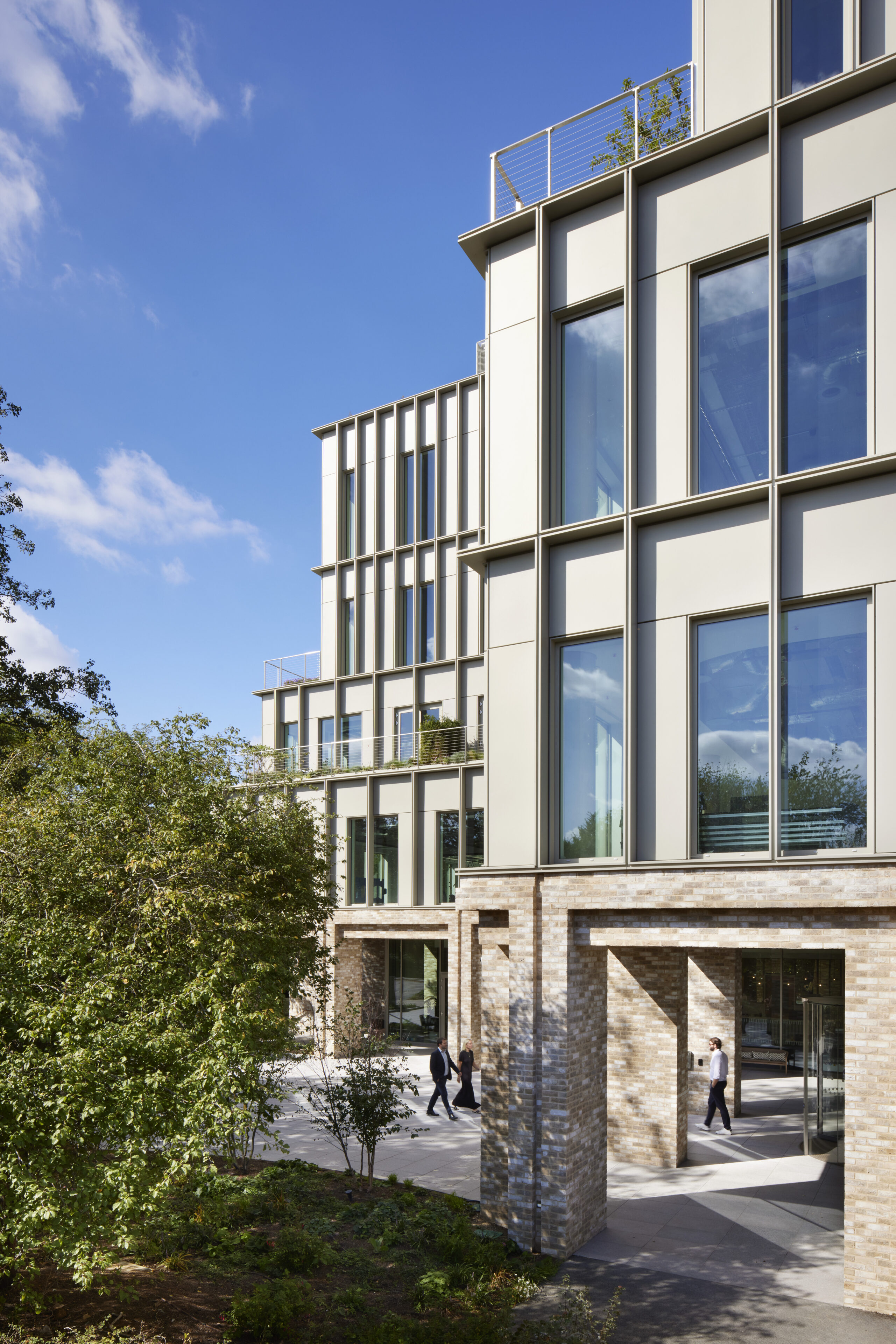
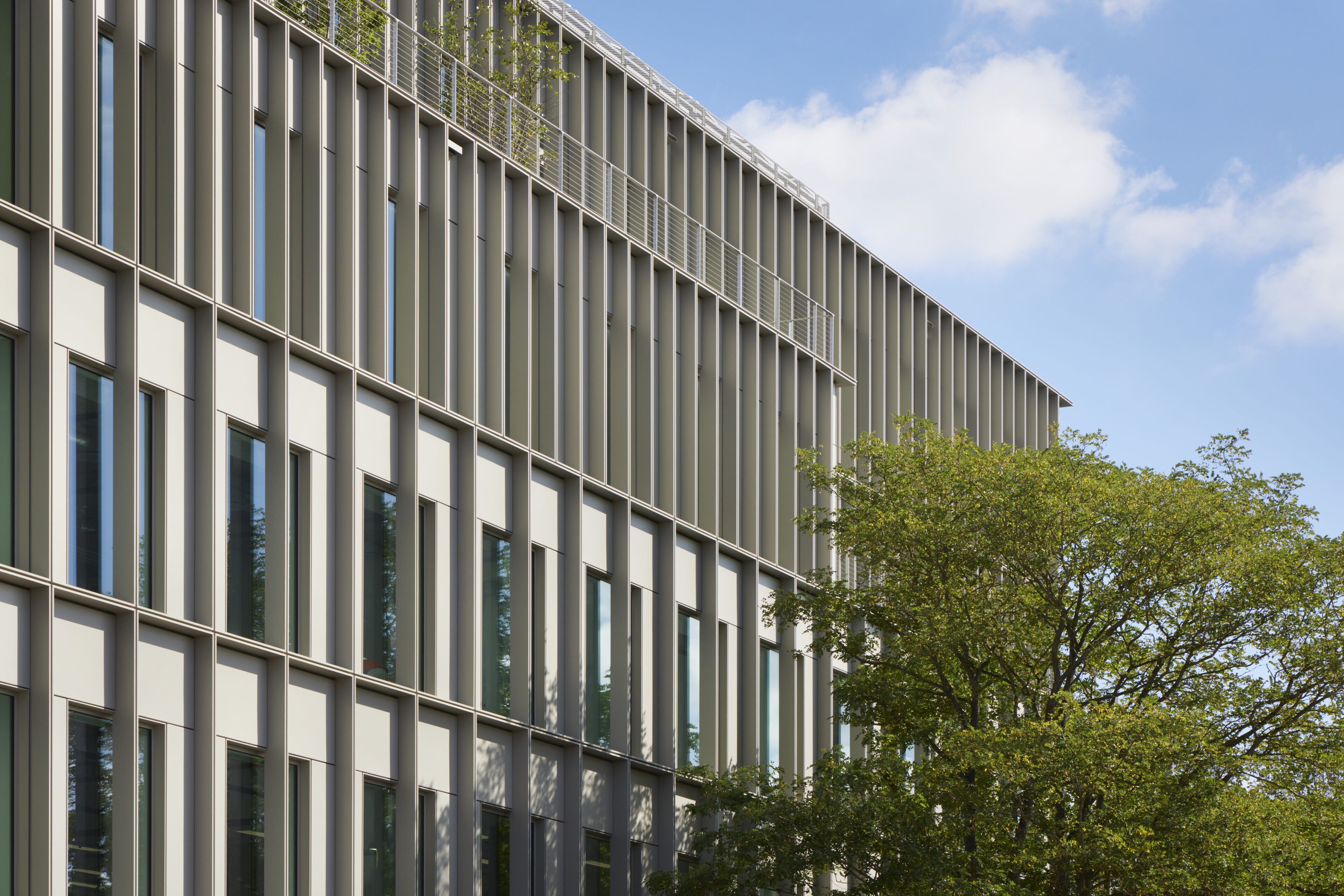
Our façade solution incorporates SFS infill systems, architectural cladding, glazed modules framed by architectural solar fins and stick curtain walling. Together, these elements create a high-performing envelope that supports thermal efficiency, occupant comfort and architectural intent.
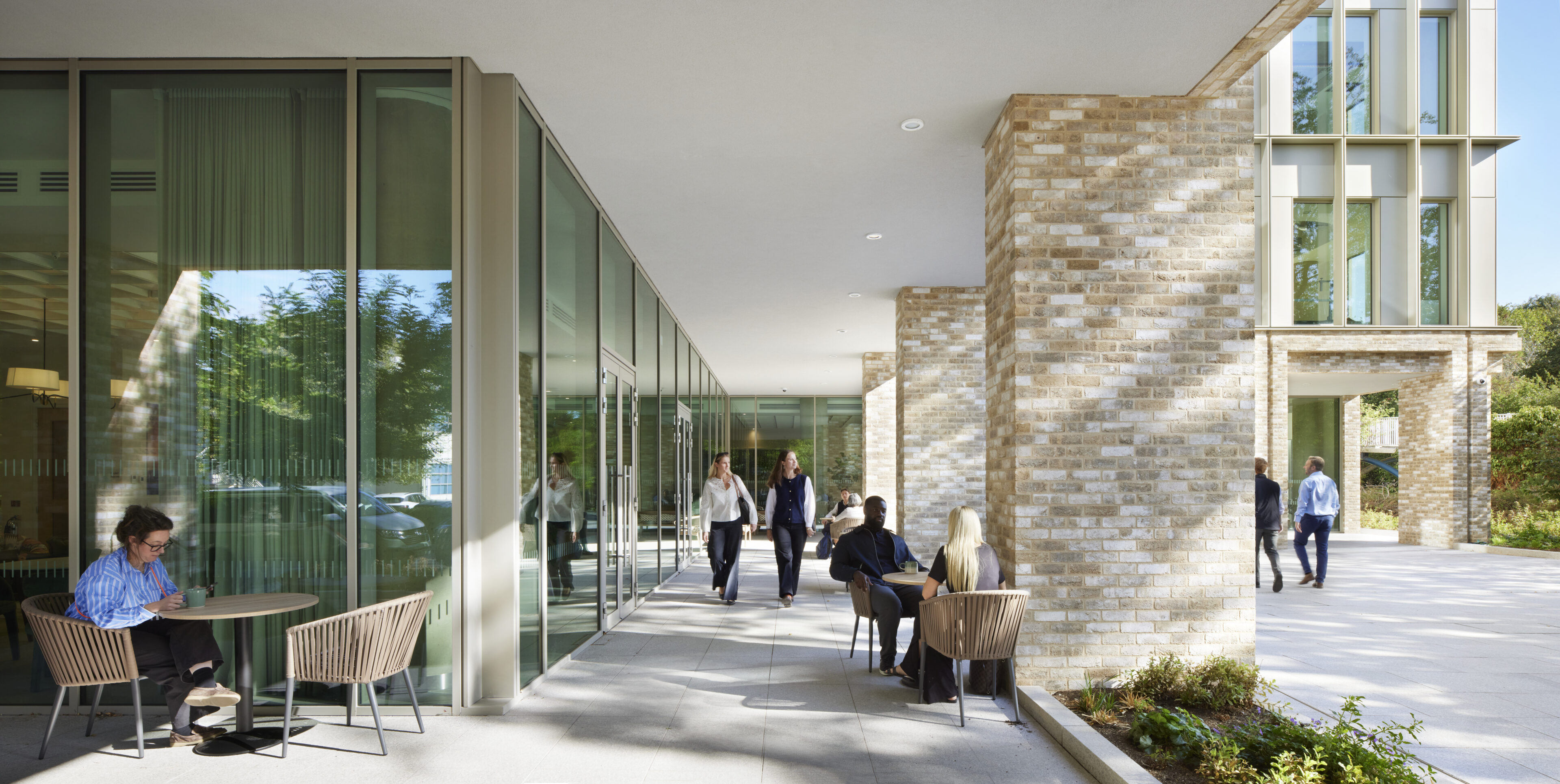
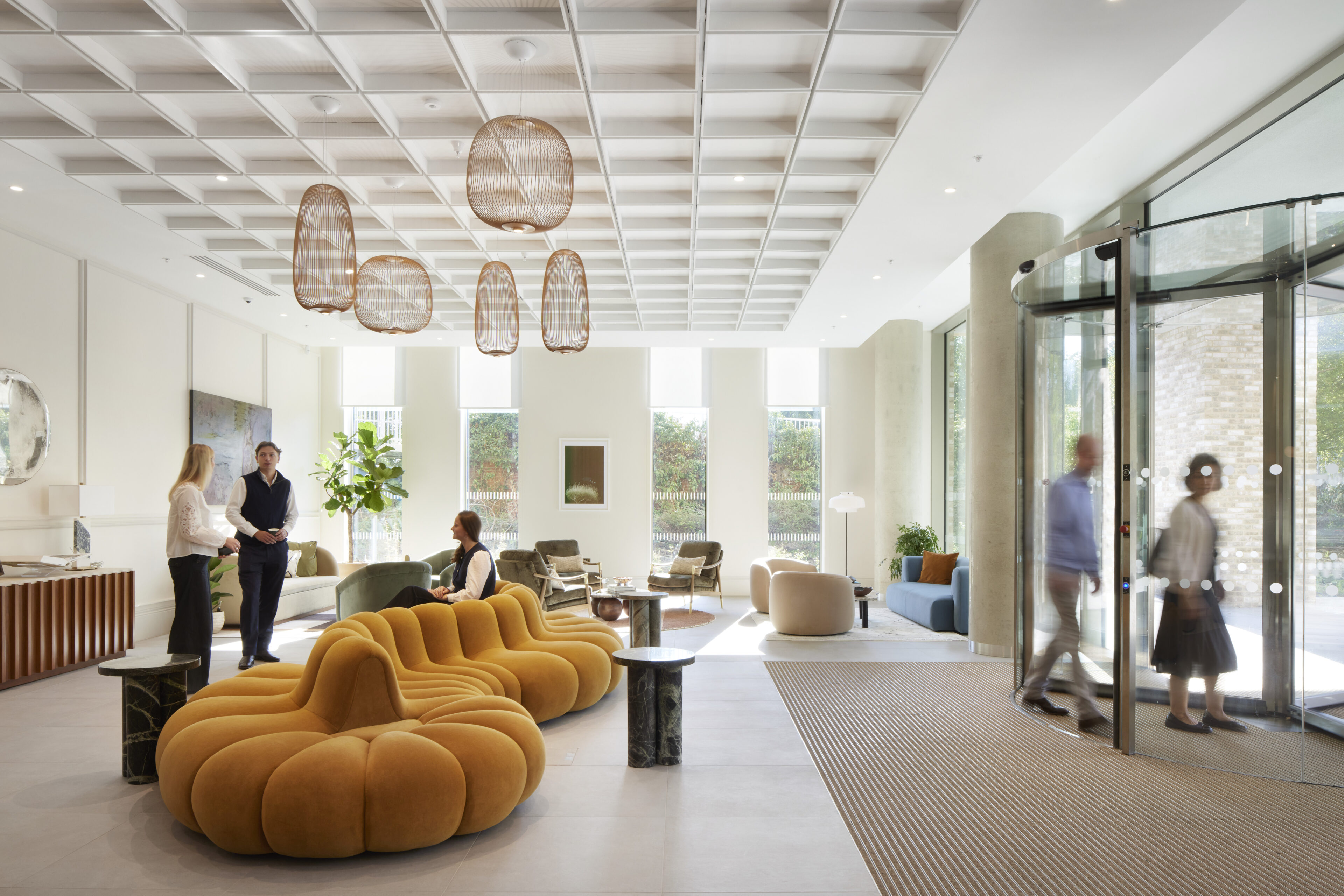
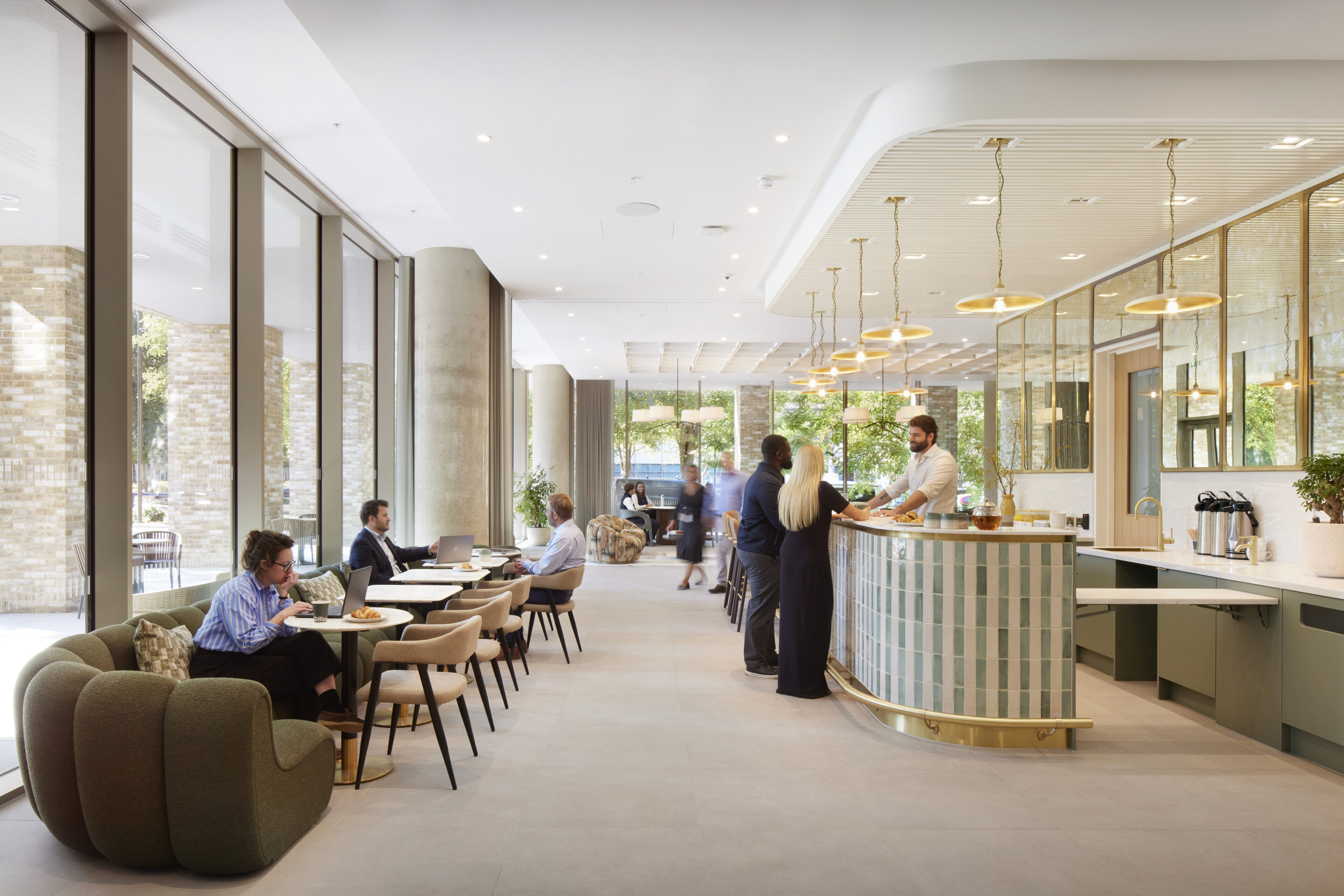
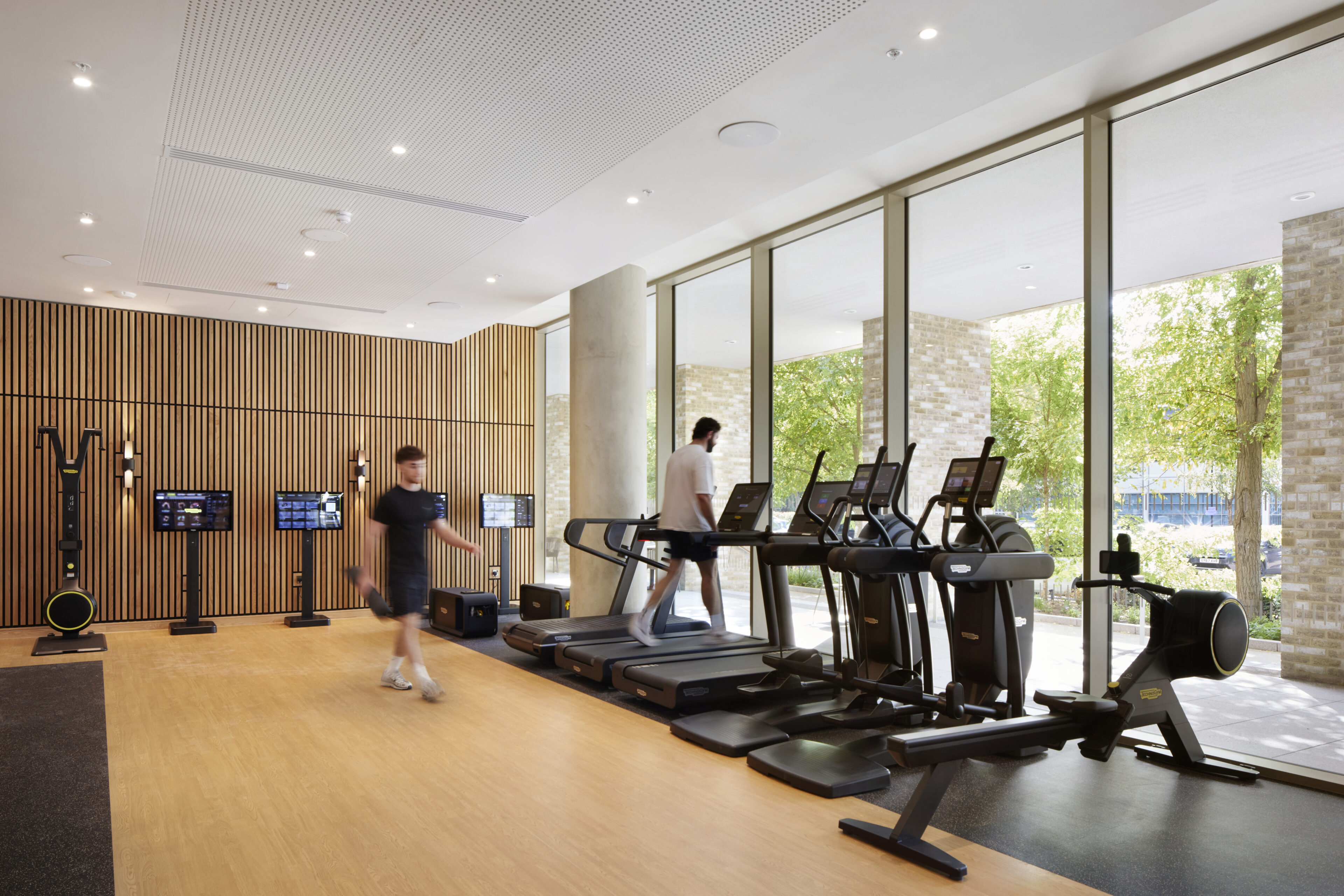
At ground level, full-height curtain walling maximises natural light to the entrance and amenity spaces, creating an open and welcoming arrival experience. At terrace level, architectural metalwork and roof-level screening complete the building’s appearance while integrating seamlessly with the wider design vision.
Utilising a combination of window systems and stick curtain walling, the façade package was delivered through a carefully coordinated installation programme. This approach enabled early watertightness, allowing follow-on trades and fit-out activities to progress efficiently and supporting successful project delivery.